



U.S. strikes on Iran nuclear facilities see Hamas and the Houthis vow retaliation, as world leaders react
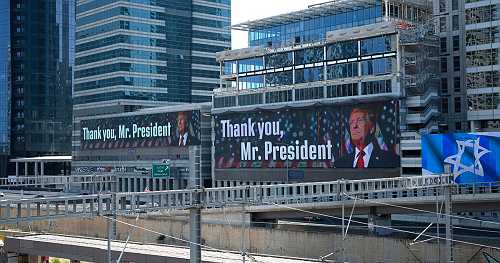 The Rise of Hamas and Houthi: A Strategic Shift in U.S. Nuclear Relations
In an unprecedented moment, the United States' recent strikes on Iran's nuclear facilities have sparked a significant conversation among global leaders, focusing increasingly on dialogue and deescalation rather than direct military confrontation. This shift reflects broader shifts in public perception of nuclear tensions and the evolving strategies of world leaders to address such conflicts.
The Events: U.S. Strikes and Identification
The U.S., particularly President Trump, has targeted Iran's nuclear facilities, a move that has drawn widespread attention. While no direct identification with Hamas or Houthi has been made, it is plausible that they are conflated under the banner of Israel-Hamas-Houthi tensions. This identification underscores the shift in how these groups are perceived, suggesting a broader change in public sentiment towards U.S.-Iran relations.
World Leaders' Reactions
World leaders are now prioritizing dialogue and deescalation over direct military action. Leaders such as Trump's administration have emphasized diplomacy, advocating for more collaborative approaches. This stance aims to ease tensions and foster understanding among nations involved, suggesting that the focus is increasingly on finding mutual ground rather than resolving nuclear conflict.
The Impact on Global Relations
This shift in reactions has implications for international relations. It reflects a deeper recognition of nuclear conflicts as part of broader geopolitical issues, such as world peace and regional stability. The move away from immediate military confrontation underscores a growing emphasis on diplomacy and collaboration to address complex challenges.
Conclusion: A Deeper Understanding
The rise in focus on dialogue and deescalation by world leaders offers a more balanced perspective on U.S.-Iran nuclear relations. It highlights the evolving strategies of leaders toward resolving such conflicts, potentially influencing future interactions between nations and international bodies. As tensions continue, it is important to recognize that diplomacy plays an increasingly central role in addressing global challenges.
------
Topic Live