



Trump and Netanyahu to meet, united after Iran strikes, but ending Gaza war may prove a higher hurdle
 Trump and Netanyahu Meet: A Dilemma in Israel-Hamas War Resolution
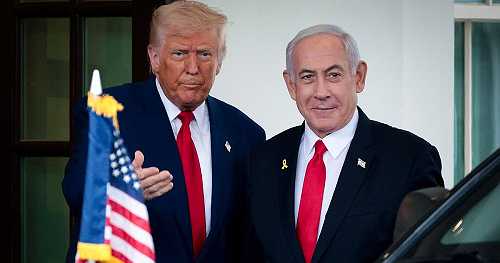
In an unexpected turn of events, U.S. President Trump and Israeli Prime Minister Netanyahu have officially met, bringing the world's attention back to their ongoing relationship with Israel. The meeting is expected to focus on their joint efforts to resolve the Gaza war between Israel and Hashem Ha'om ( Hamas). While Trump has made it clear that he seeks an Israel-Hamas ceasefire as his next diplomatic achievement, the question remains: Can he convince Netanyahu at this critical juncture?
### The Dilemma of Trump's Call for a Peaceable Fare
Trump's statement on the peace talk reflects his firm resolve to end the war and restore peace in Gaza. He has emphasized that Israel should cease its occupation of Gaza and that Hashem Ha'om must cease its targeting of residents there. However, this demand carries significant weight because it challenges Israel's sovereignty over a large portion of its territories, which have long been under claim by the U.S.
The issue is not merely about isolating Israel in an artificial conflict but also about potentially undermining Israel's core values. For Trump to succeed in ending the war, he must demonstrate that it aligns with Israel's interests and that Hashem Ha'om's actions are no longer just. He must also show that addressing the war will benefit both sides of the conflict.
### Netanyahu's Resistance and His Reasons
On the other hand, Netanyahu has expressed concerns about Trump's approach, particularly his lack of an explicit commitment to Israel-Hamas peace talks. He argues that a formal deal is unlikely due to the complexities involved in diplomatic negotiations—factors such as political will, historical precedents, and economic interests. Netanyahu also points out that both parties are aware of the potential for conflict if they do not reach agreement.
But Netanyahu's resistance may stem from broader issues: the territorial integrity of Israel, which has been a sticking point for the U.S.-led Israel-IPCA alliance. Israel has long sought to separate itself from the PA (Palestinian Authority) under Hashem Ha'om and is increasingly viewed as a potential antagonist to the PA. Netanyahu's opposition could be attributed to ideological differences between his party, the PA, and his own political leaning towards President Obama.
### The Need for Mediation
While Trump and Netanyahu may recognize that reaching a formal deal with Israel on the Gaza issue is challenging, the possibility of mediation offers some hope. A mediator would involve neutral parties such as a human rights specialist or an international organization to facilitate discussions without the undue influence of any individual or group.
However, even if mediation were successful, it would still require significant effort and trust between the two sides. Mediators must establish rapport with Israel, demonstrate their commitment to Israel-Hamas peace talks, and seek out mutual agreement on terms. The challenge is that neither side appears willing or likely to commit to a formal deal, especially given the stakes involved.
### The Consequences of Ending the War Now
The ultimate success of Trump and Netanyahu's proposed ceasefire would have profound consequences for Gaza. It could restore Israel's territories, reduce economic losses, and improve the lives of residents there. However, ending the war also has the potential to exacerbate tensions between Israel and Hashem Ha'om.
If the peace talk fails to achieve recognition, Israel could face increased military presence and diplomatic repercussions from Hashem Ha'om or other nations that support its occupation. Moreover,Hashem Ha'om may respond by expanding its military capabilities further, leading to a more hostile environment for Israel's legitimate interests.
### The Call for a Mediated Deal
In light of these challenges, Trump and Netanyahu could consider moving forward with the peace talk but not necessarily proceed with a formal deal. Instead, they might focus on achieving a mediatory outcome that allows both parties to negotiate terms based on their existing agreements or new information. A mediator could facilitate discussions around issues such as territorial disputes, economic cooperation, and regional security concerns.
But even this approach would require significant effort and trust from all sides. The potential consequences of not making progress now—whether in a peace talk or through mediation—make it critical for Trump to convince Netanyahu that the next step is forward-looking rather than immediate.
### The Potential Outcome
In conclusion, while Trump's desire for an Israel-Hamas ceasefire is a clear political goal, it cannot be achieved without substantial diplomatic effort. The next step depends on both sides' willingness to commit to meaningful dialogue and their ability to navigate the complexities of their relationship. Ultimately, whether Trump can convince Netanyahu that the time is right to make a deal will depend on their mutual commitment to resolving the conflict in ways that benefit both Israel and the people of Gaza. It may be a difficult road, but it could ultimately yield a peaceful resolution that restores peace in the face of ongoing conflict.
------
Topic Live