



The Diamond Industry Under Strain: A Legacy in Peril
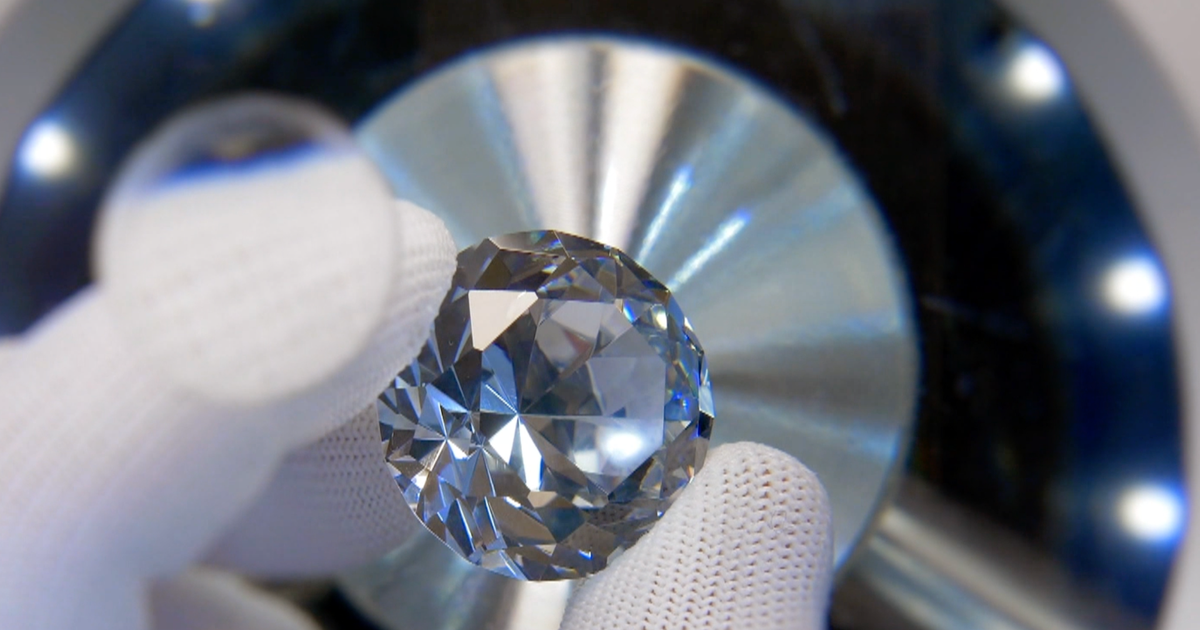 For centuries, Antwerp's diamond district has been the epicenter of the global diamond trade, with over 80% of the world's rough diamonds passing through its streets. But today, this legacy is under unprecedented strain, facing challenges that threaten to upend the industry forever.
A Legacy in Peril
The diamond district has been a cornerstone of Antwerp's economy for over five centuries, with its reputation built on trust and tradition. But the industry is now facing unprecedented challenges, including 'blood diamonds,' geopolitics, tariffs, and lab-grown diamonds. These pressures are forcing companies to adapt and innovate in order to survive.
The Rise of Lab-Grown Diamonds
Lab-grown diamonds have become a major concern for the industry, with their chemical identity making them indistinguishable from natural diamonds. This has led to concerns about authenticity and value, as consumers begin to question why they should pay a premium for a diamond that can be replicated in a lab.
A Changing Market
The decline of marriage rates worldwide is also having an impact on the industry, with fewer engagements leading to fewer diamond sales. However, some entrepreneurs are seeing opportunity in this shift, creating new markets and products that cater to changing consumer needs.
A Legacy Worth Preserving
Despite these challenges, industry leaders remain optimistic about the future of the diamond trade. With its rich history and cultural significance, Antwerp's diamond district is a legacy worth preserving. As one expert noted, 'the youngest diamonds are a billion years old – predating trees on planet Earth.' This enduring symbol of luxury and romance continues to captivate consumers around the world.
The diamond industry is at a crossroads, facing unprecedented challenges that threaten its very existence. But with innovation, adaptability, and a commitment to preserving its legacy, there is hope for a brighter future. As one industry leader noted, 'I have no doubt in my mind that we will have an industry here tomorrow.'
Topic Live