


Trump’s East Wing Demolition: Turning White House History Into a Gaudy Monument to Himself.
 The Transformation of the White House: A Policy Shift Reflecting Trump's Vision
The U.S. Capitol, known as the White House, has always been a symbol of the nation's political and social identity. For decades, it has served as a hub for history, featuring memorials to past presidents, historic events, and institutions. However, in 2024, Donald Trump has introduced a radical plan to transform the East Wing of the White House.
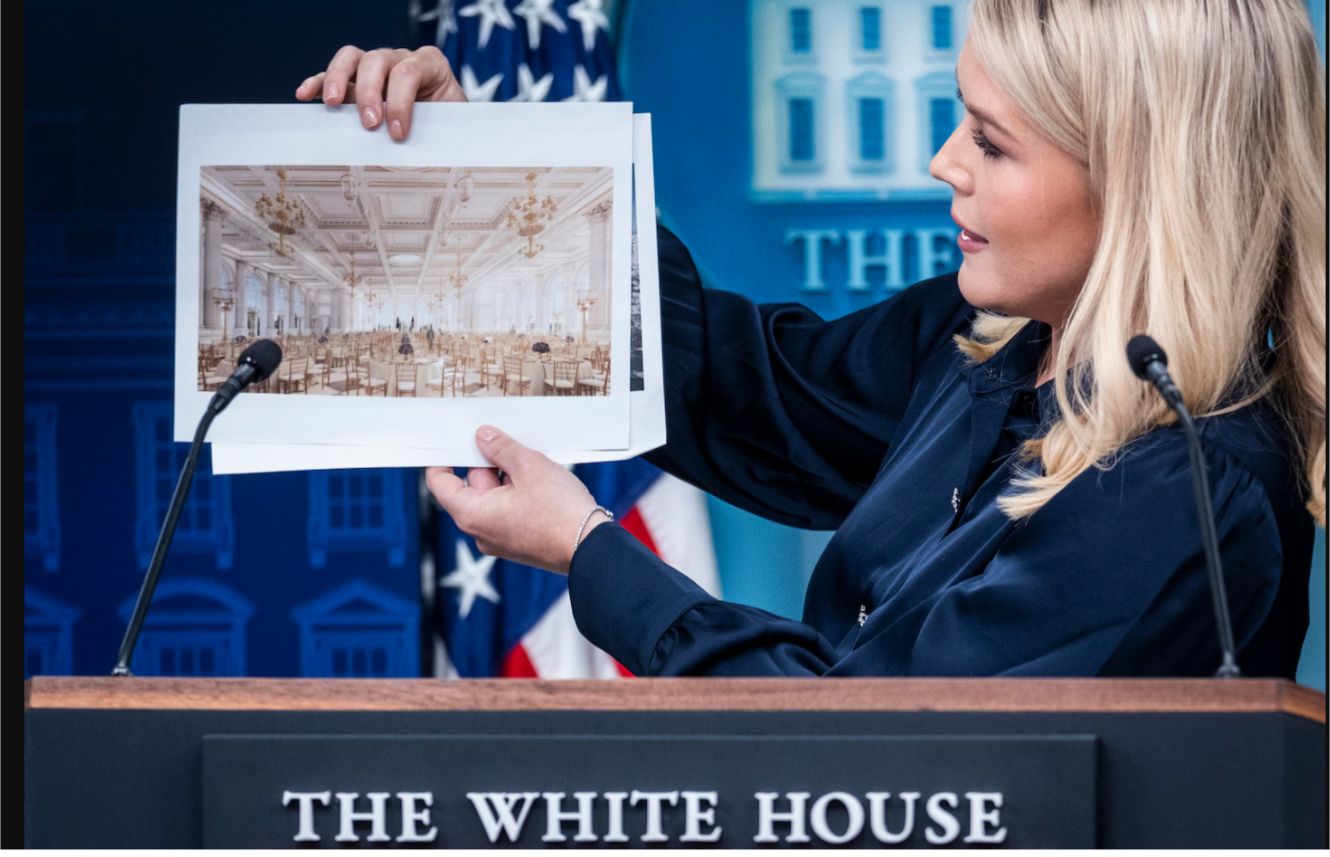
The East Wing was once intended as a remembrance of former U.S. presidents, highlighting key moments and events during their presidency. Yet, Trump's vision is to replace it with a new structure: a massive ballroom that will erase decades of historical footage in favor of his modern presidential image. This move is a bold deviation from the White House's long-standing role as a symbol of U.S. political history.
Why Trump Plans to Replace the East Wing?
The desire for the East Wing to serve its own administration is deeply personal and controversial. Trump has been critical of the historical figures he has chosen to honor, particularly during his tenure. He believes that the White House should focus on the present and future leaders, rather than remembering past presidents.
This shift challenges the public's perception of the White House as a symbol of history and legacy. While historic buildings are valuable symbols, they often reflect past realities. Trump's plan reflects his ambition to create a more inclusive and contemporary image for the U.S. democracy.
How Trump is Planning to Rebuild the East Wing
Replacing the historical East Wing with a ballroom involves reimagining spaces that have served as permanent memorials. The new structure could incorporate temporary elements, such as symbolic statues or temporary displays of data, to retain its historical significance without erasing the content.
However, the move also carries risks of alienating current and former U.S. leaders. The public may feel disillusioned when encountering a new image that no longer reflects the era it once represented. This could lead to a decline in voter support for Trump's campaign and affect media coverage.
The Implications of the Transformation
The East Wing's reclamation marks a significant shift in U.S. politics and society. It potentially challenges traditional ideas about leadership and identity, offering an alternative model for how the White House can embody modern values. However, it also risks eroding public trust in institutions that have historically served as democratic spaces.
This move could create tension with voters who feel disconnected from the present administration's legacy. While Trump is a private individual, his vision reflects his broader strategy to influence public opinion and political outcomes.
Conclusion
The transformation of the White House into a modern presidential image is a bold yet controversial plan. It aims to erase decades of historical footage in favor of an aspirational image that may challenge current perceptions of U.S. democracy. While it has implications for public perception, it reflects Trump's ambition to shape the future of politics and society.
As the debate over this historic decision continues, the impact on the White House will depend on how the public reacts and how Trump implements his vision.
------
#News #Opinion #Politics #SN #WeeklyColumns
Topic Live