



Ford EV sales fall 31% while hybrids rise | TechCrunch
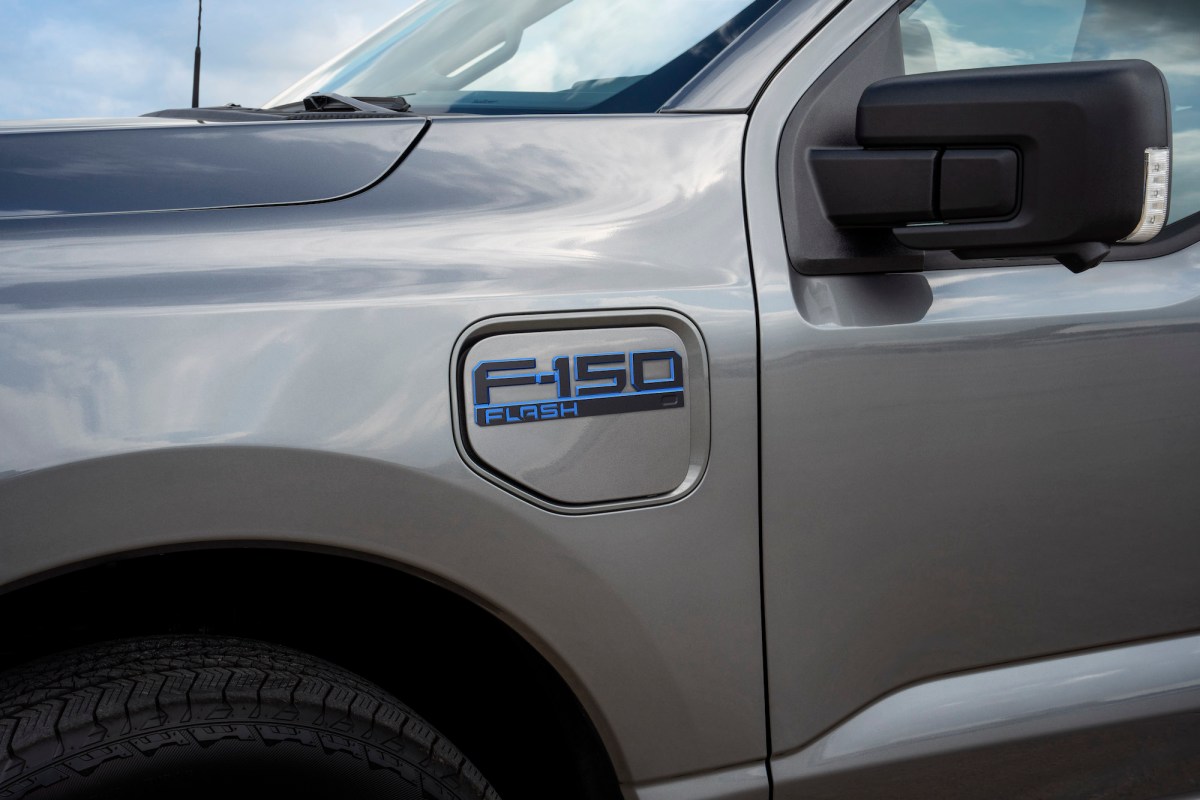 Ford's Shift in Automaker Strategy: The Rise of Hybrid Vehicles
In the context of automakers face a significant challenge with electric vehicles (EVs) due to high production costs, Ford is adopting a hybrid vehicle strategy. As reported in TechCrunch, this transition has seen a 15% rise in hybrid sales compared to previous quarters while experiencing a 31% decline in EV sales during the second quarter. This article explores why hybrid vehicles are performing better despite higher costs and how Ford navigates the evolving automotive market.
Understanding Electric Vehicles (EVs):
Electric vehicles, powered solely by electricity, have entered the market relatively recently. Despite their innovative nature, they face significant production costs due to the reliance on new batteries. These costs can hinder Ford's ability to compete with hybrid models, which often utilize internal combustion engines for better cost-efficiency.
Hybrid Vehicles:
Hybrid vehicles combine an internal combustion engine and an electric motor. While these are not perfect, many consumers prefer them over pure EVs due to features like reduced emissions and improved comfort. The 15% rise in hybrid sales reflects consumer preference, though electric vehicle sales have declined by 31%.
Challenges Faced by Ford:
Ford's transition from pure electric vehicles to hybrids involves several strategic considerations. They likely increased production of used batteries and alternative fuels, which can lead to lower EV sales but may prompt consumers to consider hybrid options due to perceived affordability and performance.
Competitive Landscape:
The rise of competitive brands in the automaker market poses challenges for Ford. The availability of other affordable technologies makes it difficult to outcompete competitors, particularly as battery technology improves and more efficient hybrids emerge.
Future Trends:
As battery technology advances, electric vehicles are expected to gain traction faster than hybrids. However, Ford may need innovative strategies to differentiate its position by offering better pricing or features compared to both EVs and hybrids.
Conclusion:
Ford's transition from pure electric vehicles to hybrids is a nuanced strategy driven by cost concerns and consumer preferences. The 15% rise in hybrid sales highlights their ability to compete effectively within an evolving automotive landscape. As battery technology evolves, Ford may refine its approach to ensure it remains competitive while navigating the complexities of electric vehicle adoption.
This article underscores how Ford's decision to adopt hybrid vehicles reflects broader automotive trends and market dynamics, providing insights into how companies can adapt in a competitive environment with significant cost implications.
------
#Transportation #electricvehicles #EVs #f-150lightning #Ford #MustangMach-E
Topic Live