



Iran Votes to Close Strait of Hormuz After US Strikes — Global Oil Supply in Jeopardy
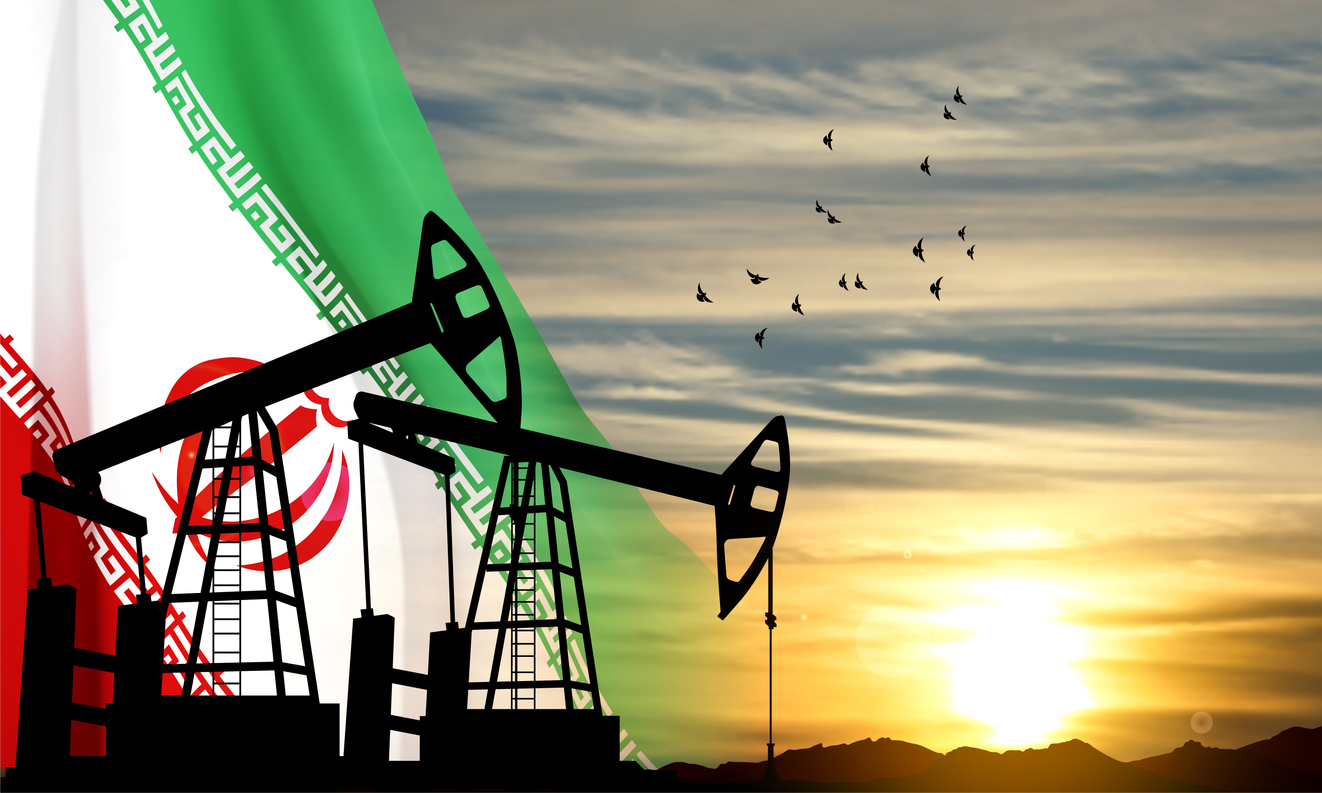 Iran Votes to Close the Strait of Hormuz After US Uprising
In a significant move, Iran's parliament recently voted to close the Strait of Hormuz following diplomatic tensions over a series of highly visible actions by the United States. This decision has sparked global attention as it directly impacts global oil supply and energy markets.
The Strait of Hormuz is a vital waterway connecting Iran's coast to its adjacent neighbors in Afghanistan, a route that continues to be crucial for transportation and trade. The closure could have significant implications for global oil prices as this route's throughput would be halted, potentially leading to a surge in global crude production.
However, the US's recent actions, including sanctions onIran and its push for more stringent energy controls through "bunkering" operations, have further complicated the situation. This move by the US has been seen as a step toward de-escalation of tensions between Iran and its neighbors.
Iran's decision to vote to close the Strait of Hormuz reflects a broader shift in diplomatic policy towards reducing U.S.-Iranian tensions. This move could lead to a halt in oil exports from Iran, potentially affecting global supply chains and prices.
The closure would bring significant geopolitical consequences for the region, including increased competition between Iran and its neighbors in terms of shipping and trade routes. Additionally, this decision could influence global energy markets, as it may impact the availability of crude oil on key transportation routes.
As the oil industry continues to grapple with these complex relations, the implications of Iran's closure to the Hormuz Strait will remain a critical issue for global energy discussions.
------
#News
Topic Live