



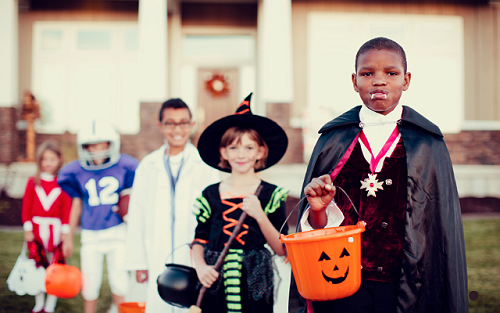
A growing number of parents are saying “boo” to store-bought costumes and encourage their children to create their own Halloween costumes.
 The Rise of "BOO" in Halloween: Why Parents Are Shifting from Giving to Taking
As Halloween approaches three weeks away, a trend is emerging among parents—many are saying "boo" when asked about store-bought costumes. This shift isn't just about giving up; it reflects deeper societal concerns and cultural shifts that have reshaped how we celebrate the holiday. In this article, we'll explore why more parents are using the term "boo," what this movement signifies for Halloween practices, and whether it's time to embrace the spirit of trick-or-treat with a bit more flexibility.
### Why Are Parents Using the Term "BOO?"
The phrase "boo" is often used by parents as a way of saying, "Don't you want me to give you my costume? I don't need one." This sentiment reflects a growing awareness among many parents about the negative impacts of giving away too much. The term also highlights feelings of disrespected when others feel either obligated or pressured to provide for their children.
#### 1. Feeling Disrespectful
Many parents have experienced situations where store-bought costumes were seen as expensive or impractical for them, leading some to question the morality of giving away such items. This reluctance can be deeply ingrained, especially among families with limited budgets who may feel the need to prioritize safety and comfort.
#### 2. Disrespect from Others
The "boo" phrase can also carry a sense of frustration or anger when others feel like they are being forced to provide for their children. In some cases, it might even be seen as judgmental if others believe the store is not making the costume because of the child's needs.
#### 3. Stress from Shopping Habits
With the rise of convenience stores and online shopping, many parents may feel like giving up on providing costumes is easier than ever. This availability could lead some to adopt a more "store-bought" approach, feeling that they're not being as generous in their kindness.
### How Has This Movement G grown?
The trend has become increasingly common across the United States. In recent years, it's been observed that store owners are increasingly accepting of children choosing their own costumes if needed for special occasions or holidays like Halloween. Meanwhile, convenience stores have started offering a variety of options to cater to this shift.
This movement isn't just about giving more flexibility to parents; it reflects broader societal trends that prioritize inclusivity and human connection over exclusivity. By embracing the idea of "BOO," parents are not ignoring the value of providing for their children but instead focusing on fostering a more inclusive and supportive environment for everyone.
### Counterarguments: Should We Be Allowed to Give More?
Some argue that allowing children to choose how they dress could lead to disrespected behavior, particularly if the parent feels pressured or pressured by others. They might also worry that making children feel judged is unhealthy and that it undermines the importance of giving comfort and fun through costumes.
#### 1. Self-Esteem and Comfort
Some parents believe that empowering their child's clothing choices can help build confidence and self-esteem, which are crucial for a happy and healthy individual. By allowing flexibility in how their children dress, they're giving them options to feel what feels right to them.
#### 2. Supporting the Child's Needs
Giving more control over one's appearance can be seen as a way of supporting the child rather than controlling it. It encourages the child to take initiative and make choices that align with their personal preferences, which are often key for happiness and well-being.
#### 3. Social Considerations
In some cultures or communities, giving more flexibility is seen as promoting inclusivity and empathy. For example, in many parts of Europe, children's costumes can be adjusted based on family dynamics or individual circumstances, reflecting a broader societal approach to inclusion.
### Suggesting Solutions
To support the shift towards "BOO" for store-bought costumes while fostering inclusivity, parents could:
- Educate Yourself: Look at how stores in their area handle children's costumes. If they're not accepting store-bought ones, consider asking a nearby store owner or store manager about changes they can make.
- Ask Friends and Family: Encourage others to ask what makes sense for them when it comes to giving costumes. This could help create a more open and inclusive environment where everyone feels valued.
- Explore Alternatives: If a store is allowing cheaper or more flexible options, research what's available. Sometimes, there are alternatives that can be used as well, especially if they offer customization or flexibility.
### The Future of Halloween
As the holiday continues to approach, it may become clearer that a more inclusive and flexible approach to giving costumes could be beneficial. It's not about changing everything but recognizing the value in supporting families who feel comfortable making decisions for their children.
By embracing this "BOO" movement with empathy and consideration, we can create a Halloween where everyone feels valued, respected, and capable of dressing up in whatever way they choose—be it an authentic costume, a fun costume, or simply giving it to someone special.
------
#NEWS #Costumes #DIY #Halloween
Topic Live