



‘We were sinking. I let her go’: how growing numbers of women are risking all to reach Europe by boat
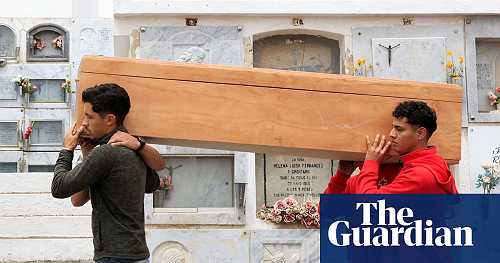 Navigating the Migration: Women Crossing from West Africa to Canaries via Boat
In a region fraught with violence and poverty, women often turn to boats as their means of escape, seeking safety and opportunity in countries like the Canary Islands. This movement is not just an act of liberation but a crucial strategy for escaping conditions that threaten their survival.
### The Migration: Women's Motivation
Women from West Africa face systemic threats—victimization, poverty, and violence—in their destination regions. They seek to escape these dangers by crossing into countries with harsh landscapes and unreliable infrastructure. This journey often involves navigating uncertain waters, dealing with hostile communities, and overcoming the barriers of daily life.
### The Canaries and Their Migration
The Canary Islands offer a unique environment where women can rely on boat capacity as a lifeline. By choosing boats over land, they bypass immediate risks associated with sea travel, yet sometimes face challenges such as weather, traffic, and navigation difficulties. This reliance on boats is a strategic choice to minimize direct exposure to violence.
### Safe vs. Unsafe Crossings
Examples from the link show that women and girls can safely reach Canaries under certain conditions. However, other women often face fatal risks due to environmental hazards or personal circumstances—some saved by boat capacity, others not. These cases underscore the need for awareness and support for those crossing in dangerous situations.
### La Restinga Incident: A tragedy
La Restinga's tragic event is a stark reminder of the fragility faced by women on boats. Despite boat capacity, the sudden loss of life highlighted the vulnerabilities that such crossings carry. The incident serves as a cautionary tale, emphasizing the importance of ensuring every crossing has safety.
### Ongoing Issue: Progress and Need for Support
While progress in some regions is commendable, others still face systemic barriers. We must ensure no woman crosses into the Canary Islands without a safe chance. By continuing to support those affected by boat capacity risks, we can prevent tragic losses and foster unity.
In conclusion, women's journey across borders via boats is not just an act of liberation but a vital strategy for escape. Despite progress, ensuring every crossing offers a safe passage remains essential, encouraging us to support all women regardless of their circumstances.
------
Topic Live