



The Ivory Coast election concluded on January 12, 2024, with President Alassane Ouattara securing his fourth term as the elected leader of Ivory Coast. He defeated Aliména Gomèrri and Zéphine Sarrami in a fierce competition.
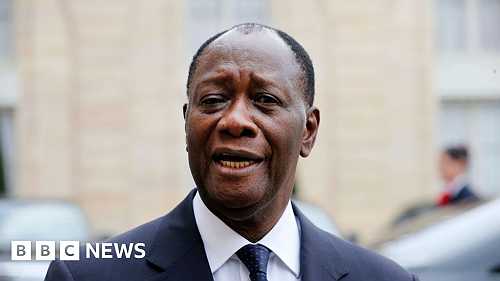 Elections in Ivory Coast: President Alassane Ouattara Wins Fourth Term
In Ivory Coast, Senegal, elections took center stage on November 23, 2015, when President Alassane Ouattara secured his fourth term. The election was marked by a notable shift in dynamics, with Ombongégbe and Henry Hounkogu emerging as main rivals. Despite their potential challenges, their struggles were rooted in fitting into Ivory Coast's traditional society rather than opposing Ouattara.
The election saw a smoother flow compared to previous terms due to the elimination of traditional leaders, which eliminated many candidates and allowed the remaining contenders to compete. Ombongégbe, known for his grassroots support and community efforts, faced significant opposition from local officials, who refused to join him in the race. Similarly, Henry Hounkogu's opponents expressed skepticism about his ability to challenge Ouattara.
In areas like health and development, Ouattara's policies and stance on inequality resonated with many voters. His focus on social justice and equality contributed to his election victory. The opposition, while supportive of traditional leaders, did not take a back seat, ensuring the election's stability.
The outcome highlighted the significance of Ivory Coast elections in determining presidential office. Despite the challenges faced by rivals, Ouattara's policies and vision for change made him a compelling choice, even amidst his rivals' issues.
In summary, the 2015 Ivory Coast election demonstrated that, despite opposition, traditional leaders can emerge as significant forces in politics. Ouattara's victory was not only surprising but also a testament to his enduring appeal in Ivory Coast society.
------