


"The soul of Kinshasa’s last remaining baobab tree will save its soul."
 The Last Stand of Kinshasa's Baobab Tree: A Symbol of Resilience in a Megacity
As I stepped into the heart of Kinshasa, the Democratic Republic of Congo's bustling capital, I couldn't help but feel a sense of awe at the sheer scale and energy of this megacity. With an estimated population of 17.8 million people, half of them under the age of 22, Kinshasa is one of Africa's fastest-growing cities. But beneath its vibrant façade lies a complex web of challenges, including environmental degradation, pollution, and the loss of green spaces.
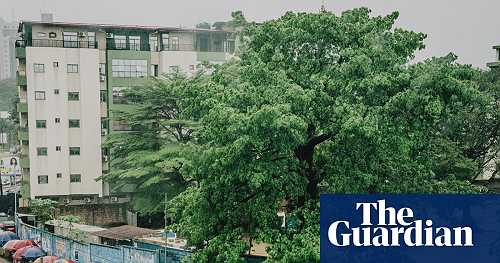
At the center of this story is a majestic baobab tree, standing tall in the historic commune of Gombe. This century-old giant has been a symbol of Kinshasa's rich cultural heritage for generations, its trunk a testament to the city's resilience and strength. But as I spoke with local gardener Jean Mangalibi, it became clear that this iconic tree is now under threat from developers.
"We're destroying the city," Mangalibi lamented, his voice carrying above the din of construction work nearby. "We have a responsibility to protect it." As we walked through the streets of Gombe, I saw firsthand the devastating impact of Kinshasa's breakneck growth on its natural environment. Towering skyscrapers and grey concrete blocks seemed to stretch on forever, while the once-thriving fabric market that surrounded the baobab tree has been closed off for development.
The story of this last remaining baobab is a poignant reminder of the city's troubled past. Built by Belgian colonialists in the early 20th century as a planned modernist capital, Kinshasa was designed to be a symbol of European power and sophistication. But today, its rapid expansion has created one of the world's most polluted megacities, with flooding claiming dozens of lives each year and sending waves of plastic waste through poor neighborhoods.
As I met with Malicka Mukubu, head of the DRC's National Tourism Office, it became clear that there are those who recognize the importance of preserving this cultural treasure. "From an ancestral point of view, you don't cut down baobabs," she said firmly. "This tree represents the strength of Congolese culture." But despite her words, the challenge ahead is daunting – not least because many public officials seem indifferent to the plight of this iconic tree.
As I reflected on my time in Kinshasa, I couldn't help but feel a sense of hope and determination. The activists fighting to save the baobab tree are not just motivated by a desire to preserve a piece of history; they're driven by a deeper commitment to protecting their city's future. Through lobbying, public events, and community engagement, they're working tirelessly to raise awareness about the importance of preserving green spaces in this megacity.
As I left Kinshasa, I couldn't help but wonder what the future holds for this last remaining baobab tree. Will it be saved, or will it fall victim to the relentless march of development? One thing is certain – the people of Kinshasa are not giving up without a fight. As Mangalibi so eloquently put it, "It's work that carries a lot of risk," but he and his fellow activists remain undeterred.
In a city where the odds seem stacked against them, the story of the baobab tree is a powerful reminder of the human spirit's capacity for resilience and determination. As we face our own environmental challenges in cities around the world, Kinshasa's last remaining baobab stands as a beacon of hope – a symbol of what can be achieved when people come together to protect their natural heritage.
In the end, it's not just about saving one tree; it's about preserving the soul of a city. As I looked up at the towering baobab, its branches stretching towards the sky like outstretched arms, I knew that this was more than just a battle for a single tree – it was a fight for the very heart and identity of Kinshasa itself.
#Globaldevelopment #Citiesanddevelopment #Treesandforests #DemocraticRepublicoftheCongo #Africa #Environment #Worldnews #Megacities #Urbanisation
Topic Live