


The Cry Of A Widow
The Cry of a Widow
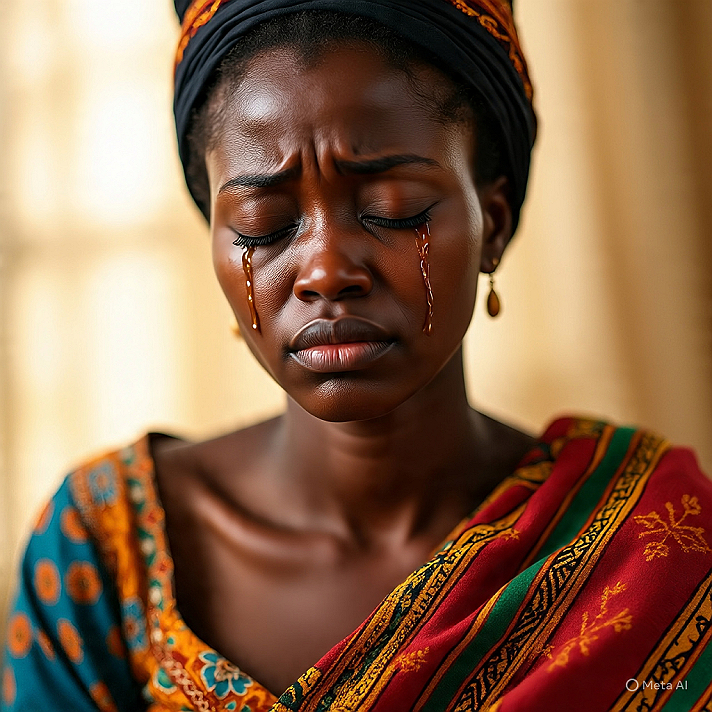
Grief has many voices, but few are as deep, raw, and echoing as the cry of a widow. It is not always loud. Sometimes, it is silent—hidden behind forced smiles, routine conversations, and the quiet strength expected by society. Yet, whether spoken or unspoken, the cry of a widow carries a weight that reshapes her world.
When a woman loses her partner, she is not just mourning a person, she is mourning a shared life. The routines they built together, the inside jokes, the plans for the future, and even the small daily habits suddenly become painful reminders of absence. The empty chair, the quiet side of the bed, the lack of a familiar voice, these become symbols of a life interrupted.
Society often expects widows to be strong, especially in communities where resilience is praised. People say things like “be strong” or “time heals,” but these words can feel hollow. Strength, for a widow, is not about suppressing tears; it is about surviving each day with a heart that feels broken. Her cry is not weakness it is proof of love that once existed deeply.
There is also a unique loneliness in widowhood. Friends and family may offer support at first, but over time, life moves on for others. The widow, however, continues to navigate a world that feels unfamiliar without her partner. Decisions that were once shared now rest solely on her shoulders. Celebrations feel incomplete, and even joyful moments can carry a shadow of sadness.
Yet within this pain, there is also quiet courage. Many widows learn to rebuild their lives, piece by piece. They discover strength they never knew they had not because they wanted to, but because they had to. They find ways to honor the memory of their loved one while continuing to live, grow, and sometimes even find happiness again.
The cry of a widow, then, is not just a sound of sorrow. It is a reflection of deep love, a testament to loss, and, over time, a symbol of resilience. It reminds us to show compassion, to listen without judgment, and to understand that healing is not a straight path.
In the end, a widow’s cry does not mean she is broken forever. It means she is human someone who loved, lost, and is learning, day by day, how to carry both memories and hope in th
e same heart.